.svg)


The Battle for the Right Aisle
Building the Nest Learning Thermostat was only half the battle. The real challenge was distribution. For decades, thermostats were sold exclusively through HVAC contractors homeowners never even saw the box. Tony decided Nest belonged where iPhone customers shopped: Best Buy and the Apple Store.
When he walked into Best Buy headquarters, the buyer was confused. Merchandising wanted to put Nest in the HVAC section in the back of the store, under flickering fluorescent lights next to air filters. Tony knew that if Nest went there, it would die.
Creating the "Connected Home" Category
Tony proposed something radical: "Create a new section. Call it 'Connected Home'". The buyer laughed, claiming retail doesn't create entire sections for a single product. But Tony countered that this wasn't one product it was a new category of smart devices that was about to explode.
Best Buy eventually agreed to a six-store test run with premium, iPhone-style displays. The results were staggering. Nest flew off the shelves, with 95% of customers installing it themselves. Soon, the "Connected Home" section expanded from 6 stores to 600, becoming a standard fixture in retail architecture globally.
Disruption and the $3.2 Billion Acquisition
Nest's success was so disruptive that the industry giant Honeywell sued them. Tony celebrated the lawsuit as a badge of honor, knowing that being sued by the incumbent meant they were a legitimate threat.
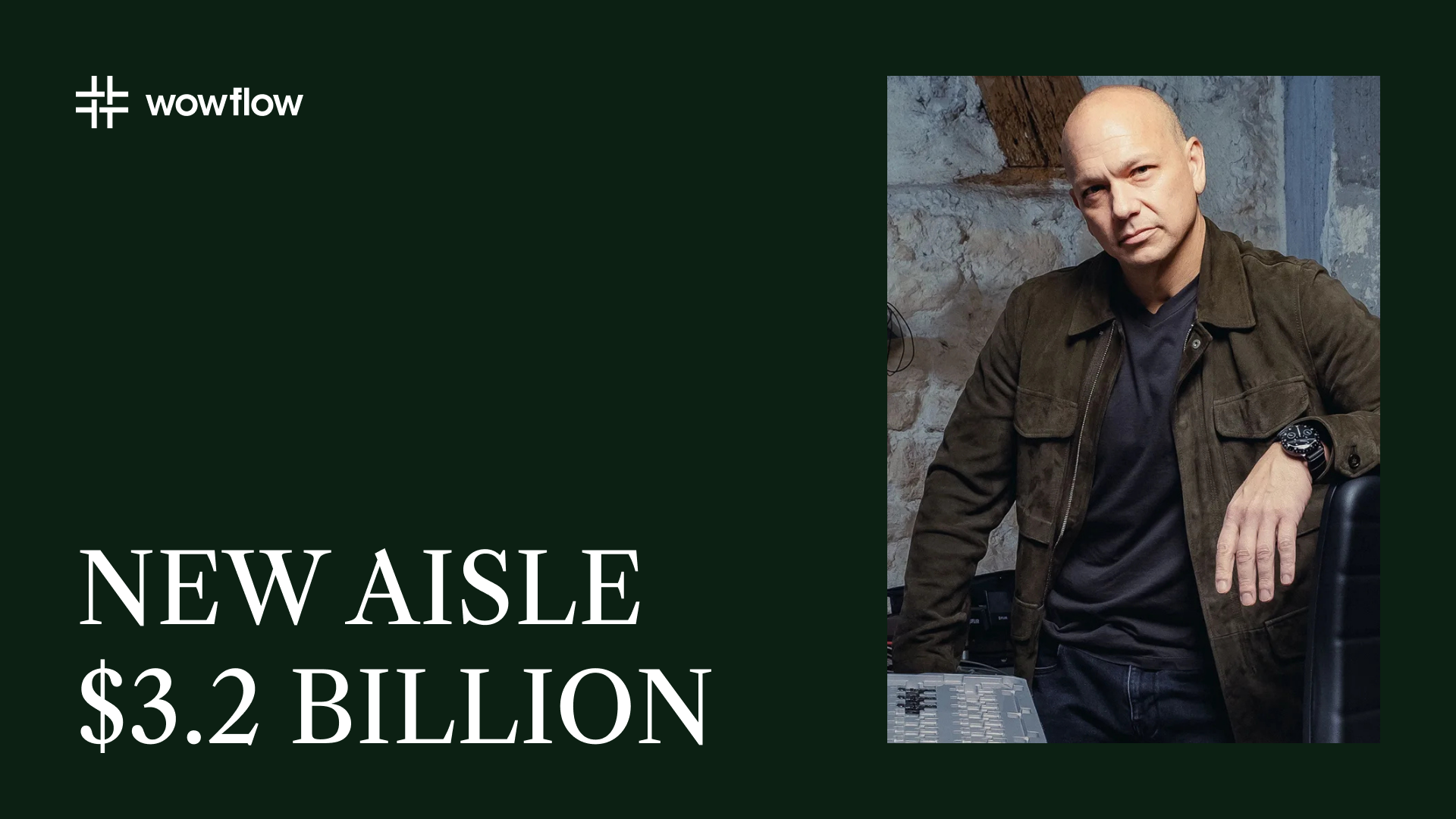
In January 2014, Google acquired Nest for $3.2 billion. Google wasn't just buying a thermostat; they were buying the distribution model and the retail category that Tony had willed into existence. He had grown the market from less than $1 billion to an industry on its way to $100 billion.
The Experience Gap: Why AI Couldn't Do This
AI can optimize the internal hardware of a thermostat or generate installation manuals, but it lacks the "Experience Intelligence" to understand human behavior in a retail environment. AI wouldn't have known that placement in the HVAC aisle would lead to failure.
Tony Fadell’s success came from seeing what was invisible: the need for a new retail infrastructure to house the future of the home. AI can optimize existing categories, but only human creativity and lived experience can reimagine them entirely. This is the difference between a tool and a visionary.
Tony Fadell’s story proves that being in the wrong "aisle" can cost you billions. Are you following an outdated playbook, or do you have the experience to see where the market is really going?
Take 60 seconds to calculate your Experience Gap and discover how much revenue you might be leaving on the table by following existing categories instead of creating your own.
.png)